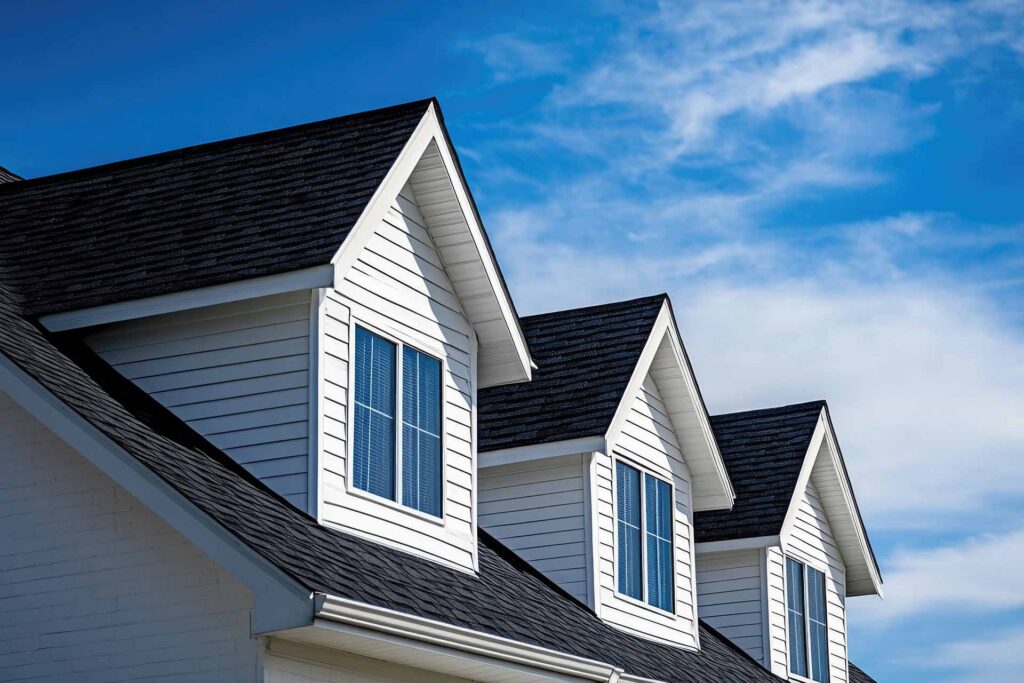
Replacing your roof is one of the biggest investments you’ll make as a homeowner. With costs ranging from $8,000 to $25,000 or more depending on your home’s size and materials, it’s natural to want protection for this significant expense. That’s exactly what roof warranties provide but understanding what you’re getting can be surprisingly complex.
If you’re shopping for a new roof in the Charlotte area, you’ve probably heard contractors mention “lifetime warranties” and seen impressive coverage claims. But what do these warranties actually cover? How long do they really last? And most importantly, what should you look for to ensure your investment is truly protected?
In this post, we’ll break down everything Charlotte homeowners need to know about roof warranties—from the three main types you’ll encounter to the fine print that can make or break your coverage. Whether you’re comparing quotes or starting your research, understanding warranties will help you make a confident, informed decision about your roof replacement.
The Three Types of Roof Warranties
When you get a new roof, you’re not getting only one warranty. You’re typically getting multiple warranties that work together to protect different aspects of your investment. Here’s what you need to know about each type.
Manufacturer’s Material Warranty
This is the warranty that comes directly from the company that makes your roofing materials. If you choose premium shingles from Owens Corning or GAF (two of the industry’s most trusted manufacturers), you’ll receive a manufacturer’s warranty that covers defects in the materials themselves.
Manufacturer warranties protect against product defects like premature deterioration, granule loss, or cracking that results from manufacturing errors rather than normal aging. However, these warranties typically don’t cover the labor costs to remove and replace defective materials, and they often include specific terms like “lifetime” coverage and prorated periods.
Standard Coverage Periods
- Architectural shingles: Typically 30-50 years
- Premium lines: Often “lifetime” coverage with specific terms
- Algae resistance: Usually 10 years of protection
- Wind resistance: Coverage up to specified wind speeds (commonly 110-130 MPH)
Contractor Workmanship Warranty
Workmanship warranty lengths vary by contractor. What matters most isn’t the length of the warranty on paper — it’s the quality of the installation itself and the reputation of the company standing behind it. A warranty is only as valuable as the contractor’s track record, communication, and willingness to make things right. Always ask what the warranty covers, what can void it, and whether the contractor has a history of honoring claims.
Enhanced or Extended Warranties
Some manufacturers offer upgraded warranty packages that go beyond standard coverage. These enhanced warranties (sometimes called “system warranties”) provide more comprehensive protection but typically come with specific requirements.
To qualify for enhanced warranties, you generally need to use a complete roofing system from one manufacturer, hire a contractor certified by that manufacturer, and register your warranty within a specified timeframe (often 60 days).
The benefit? Enhanced warranties often include non-prorated coverage for longer periods, protection for both materials AND workmanship, coverage for all system components (not just shingles), and transferability to new homeowners. This can significantly increase your protection and your home’s resale value.
Is an Enhanced Warranty Worth It?
For most Charlotte homeowners planning to stay in their home long-term, enhanced warranties provide valuable peace of mind. They’re particularly beneficial if you’re in an area prone to severe weather or if you want the strongest possible protection for your investment. However, they do require working with certified contractors and using specific material combinations, which may limit your options or increase project costs.
Key Terms Every Homeowner Should Understand
Navigating warranty documents can feel like reading a foreign language. Here are the essential terms you’ll encounter and what they mean for your coverage.
Lifetime Doesn’t Always Mean Forever
“Lifetime” in roofing warranties has a specific definition. For homeowners, it typically means “as long as you own your home.” However, several important caveats apply:
- Coverage is for the original owner (or second owner if properly transferred)
- Applies only to single-family detached residences owned by individuals
- Commercial properties, rentals, and multi-family homes get shorter coverage (often 40 years)
- You must maintain the roof according to manufacturer specifications
Prorated vs. Non-Prorated Coverage
Prorated Coverage
The amount covered decreases as your roof ages. For example, a shingle defect discovered after 15 years might only receive 50% coverage value, meaning you’d pay the other 50% for replacement materials plus all labor costs.
Non-Prorated Coverage
You receive full coverage for the specified period, regardless of when the claim is filed. If you have 20 years of non-prorated coverage, a defect in year 5 or year 19 receives the same full material replacement.
Many warranties offer an initial non-prorated period (say, 10-20 years) followed by prorated coverage for the remaining term. This initial non-prorated period is often called the “Smart Choice Protection Period” or similar marketing term.
Transferability: Adding Value to Your Home
Some warranties can be transferred to new homeowners if you sell your property, which can be a valuable selling point. However, transferability rules vary:
- Some warranties transfer automatically (often with reduced coverage)
- Others require formal notification and may involve a fee
- Transfer typically must occur within a specific timeframe
- Enhanced warranties may offer one-time transferability with full coverage
A transferable warranty can differentiate your home in competitive real estate markets, particularly in growing areas around Charlotte where buyers are comparing multiple properties.
What's Actually Covered in a Roofing Warranty (And What's Not)
Understanding the boundaries of your coverage helps set realistic expectations and avoid surprises when you need to file a claim.
Typically Covered
Manufacturing Defects
- Premature shingle deterioration due to product defects
- Granule loss exceeding normal wear patterns
- Material failures from manufacturing errors
- Cracking, splitting, or blistering from product issues
Installation Errors (Workmanship Warranty)
- Leaks caused by improper installation techniques
- Flashing failures due to incorrect installation
- Ventilation problems from installation mistakes
- Nail pops or fastener issues
Wind and Algae (If specified)
- Wind damage up to rated speeds (commonly 110-130 MPH)
- Algae growth if you have algae-resistant shingles with specific coverage
- Coverage terms and limitations vary by product
Typically NOT Covered
Storm Damage
Most warranties don’t cover damage from hail, falling trees, flying debris, or other storm-related impacts. This is why homeowner’s insurance is essential—it covers what your roof warranty doesn’t.
Improper Maintenance
Warranties require proper maintenance. If you neglect repairs, allow debris accumulation, or fail to keep gutters clean, manufacturers can deny claims. This is one of the most common reasons warranties get voided.
Normal Wear and Tear
Roofs age naturally from sun exposure, weather cycles, and time. Standard aging isn’t covered—warranties protect against premature failure, not normal lifespan limits.
Installation by Uncertified Contractors
For enhanced warranties, using a non-certified contractor automatically voids the coverage. Even for standard warranties, improper installation can lead to denied claims.
Modifications or Repairs by Others
If another contractor modifies your roof or makes repairs, your original contractor’s workmanship warranty may be voided. Always check your warranty terms before hiring someone else for Charlotte roof repairs.
Other Common Exclusions
- Damage from power washing or walking on the roof
- Issues from improper attic ventilation
- Problems caused by ice dams
- Cosmetic concerns like color variations
- Damage from building movement or structural issues
Questions to Ask Your Roofing Contractor
Armed with warranty knowledge, you can have more informed conversations with contractors. Here are essential questions to ask before signing any contract:
About Workmanship Warranty
- “How long is your workmanship warranty, and what exactly does it cover?”
- “Is your workmanship warranty prorated or non-prorated?”
- “What would void your workmanship warranty?”
- “Are there any exclusions I should know about?”
About Manufacturer Warranties
- “Which manufacturer warranties come with the materials you’re recommending?”
- “Are you certified to install these products and offer enhanced warranties?”
- “What’s the non-prorated coverage period for these materials?”
- “How do I register my warranty, and is there a deadline?”
- “Can you explain the difference between the standard and enhanced warranty options?”
About Your Specific Situation
- “Is this warranty transferable if I sell my home?”
- “What maintenance is required to keep my warranty valid?”
- “Do you handle warranty claims directly, or would I work with the manufacturer?”
- “Can you provide your warranty terms in writing before I sign?”
Red Flags to Watch For
- Contractors who can’t clearly explain their warranties
- Refusal to provide warranty information in writing
- Pressure to sign without reviewing warranty documents
- Claims that seem too good to be true (“We warranty everything forever!”)
How TrueFrame Roofing Protects Your Investment
TrueFrame Roofing believes Charlotte-area homeowners deserve both superior craftsmanship and comprehensive warranty protection. That’s why we partner exclusively with industry leaders Owens Corning and GAF, who are manufacturers known for standing behind their products with robust warranty programs.
What Sets TrueFrame Apart
- Premium Materials with Lifetime Coverage: We install Owens Corning Oakridge® AR shingles with 130 MPH wind resistance and 10-year algae protection, or GAF Timberline® Natural Shadow® shingles (America’s #1 selling shingle), both backed by limited lifetime warranties.
- Quality Installation Expertise: With over 25 years of combined experience in the Charlotte area, our licensed and insured professionals understand exactly what it takes to install roofs that perform in our unique climate, from humid summers to unpredictable winter weather and severe storm seasons.
- Transparent Communication: We explain warranty terms clearly during your consultation, ensuring you understand exactly what’s covered and what maintenance is required.
- Local Accountability: As a locally owned and operated business serving greater Charlotte, we’re not simply here for the installation—we’re here for the life of your roof. When you need service, you’re calling neighbors who take pride in their work and reputation.
- Free Estimates: Not sure if you need a replacement or repair? We provide detailed, no-pressure estimates so you know exactly what your roof needs and what it will cost before any work begins.
- Professional Roof Inspections: For a comprehensive written report with drone photography, we offer professional roof inspections starting at $150 (based on home size), giving you a thorough assessment with photo documentation before making any decisions.
Whether you’re in Mooresville, Kannapolis, Concord, Salisbury, Statesville, Harrisburg or anywhere across the area, TrueFrame Roofing is here to help you navigate your roof replacement in Charlotte with confidence. Our team combines quarter-century expertise with premium materials and warranty programs that protect your investment for years to come. Contact us for an inspection and consultation. Let’s discuss which warranty options make the most sense for your home, your budget, and your long-term plans.